





























Kurve's TikTok SparkAds Skyrocket Treecard's User Growth by 150%
Kurve leveraged TikTok SparkAds to drive a 1,027% increase in Treecard app installs and reduce...

Kurve powers Sweatcoin's 10x growth
Kurve played an instrumental role in making Sweatcoin the fastest-growing health and fitness app in...

BackThen goes from 600,000 to 3 million Users in 12 Months with Kurve
BackThen partnered with Kurve to overcome a plateau and skyrocket their user base from 600,000 to...



Maximized Visibility
Rise above the clutter

Optimized Conversions
Transform clicks into clients

Engagement Mastery
Connect, captivate, convert

ROI Focused Strategies
Invest smart and gain more
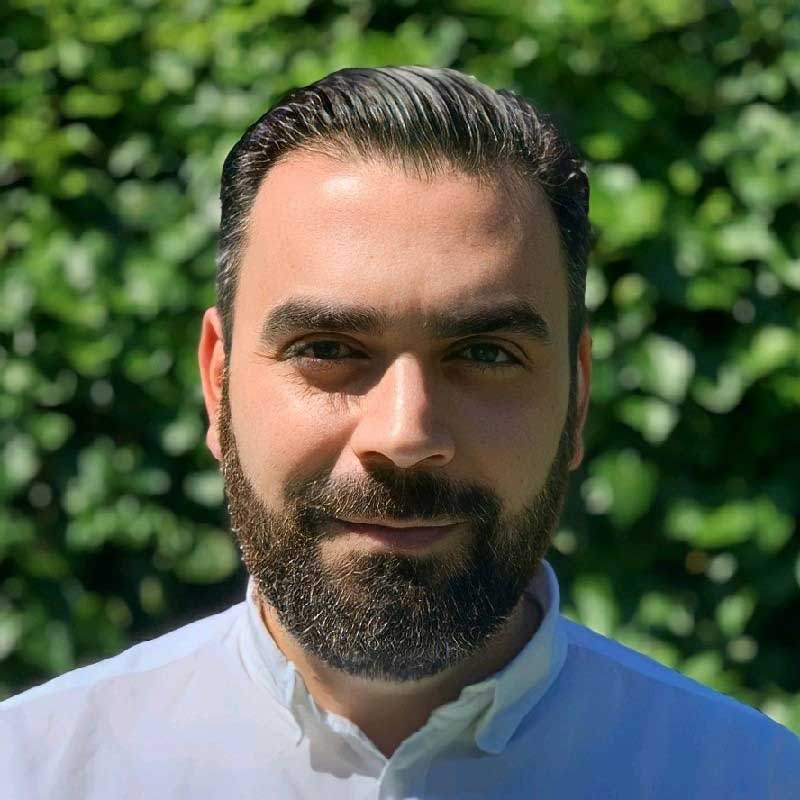
Cem Eyi
Co-Founder, Beanstalk
Working with Kurve on TikTok influencer outreach has been great. We are targeting the “mumtok” sphere to introduce Beanstalk – our award winning Junior ISA app. Kurve’s outreach strategy, onboarding of talent and managing of paid media were all instrumental in helping make the channel successful for us.
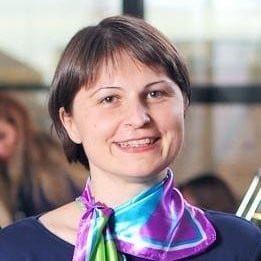
Bogdana Orzu
Growth Campaign Manager, Sweatcoin
The testing and scaling we did with Kurve really validated our channels, and we’re really looking forward to accelerating this going forward.
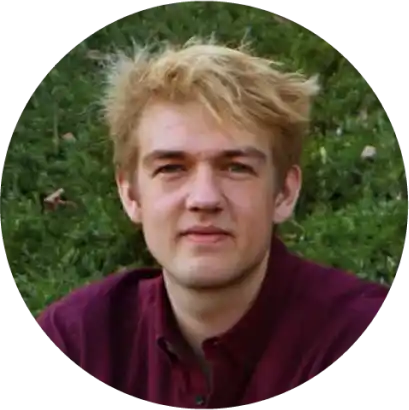
Jamie Cox
Co-founder & CEO, Treecard
Results have been astonishing, and orders of magnitude better than other agencies we’ve worked with.
Francesco Cardoletti
Co-founder/CEO PawSquad
Oren and the team at Kurve were vital in providing a digital strategy that got us excellent results within our budget and within impressive timeframes. His experience and insight were matched by his enthusiasm and dedication to helping us grow, as he consistently went above and beyond to provide valuable support. It has always been a pleasure to work with Oren, as his responsiveness and creative approach mean that he genuinely strives for excellence. I'd recommend Oren for all matters related to digital marketing when looking for a provider with integrity and honesty.

Bryn Morgan
CEO of ENGIN Mobile
Oren and his team were critical in getting several new brands up and running in the digital world. His responsiveness, insight and expertise ensured very tight deadlines were met and profitable, cost-effective new business resulted shortly thereafter! He provide invaluable optimisation and market growth support throughout our relationship. This was backed up with data and profit-driven analysis - almost in real-time.

James McQuarrie
Head of Product @ Cookpad & Co-Founder @ nextfree.co.uk
Oren worked with us at DAD to help establish our search marketing and user acquisition strategies. His insight and experience took what we were doing before his arrival to a whole new level. His test and learn approach fits nicely into an agile / lean workflow and brings a scientific rigour to what can easily otherwise become a spray and pray activity. I learnt a lot working with Oren and would be very happy to do so again in the future.

Lior Eldan
Co-Founder & COO at Moburst - Mobile done right
Oren is passionate about what he does. So passionate, that he engages anyone who works with him to be as passionate as he is. Oren is extremely knowledgeable about online marketing and SEO in particular. Combined with his far vision and entrepreneurship, Oren is a manager that inspires and brings the most out of his people. Most importantly, Oren is a cool guy and fun to work with. I would be happy to work with Oren in the future.
George Taylor
Digital growth marketer
I worked with Oren at DAD where he brought a huge amount of valuable experience and strategic input into the business at a crucial stage of the company's life. I valued his pragmatic viewpoint and benefitted a great deal in his approach to digital marketing. Highly skilled yet adaptable to work within the technical limitations of a young business, he massively spearheaded our search marketing efforts and generously imparted his years of knowledge across the team.

Paul Donoughue
Senior Marketing Manager at ENGIN Mobile
Standing aside, ahead and above the run-of-the-mill, rest of the pack digital agency leaders, Oren is a remarkably insightful and client focussed individual who has translated these traits into his vision for a full-service digital agency. Oren doesn't do Set Menus. I would always be more than happy to recommend Oren.

Unlimited access through email & Slack
I’ll typically reply within 1-3 hours.

Ongoing support
I'll guide your team through questions. Providing outlines, rough mockups, and/or examples when needed.

Ensure you’re hiring the right people
I’ll help your team vet and review internal hires and supplier contracts.

Scheduled calls and work reviews
I'll verify your team is on the right track through reviews and feedback.